Description
What our Shapes: Oval lesson plan includes
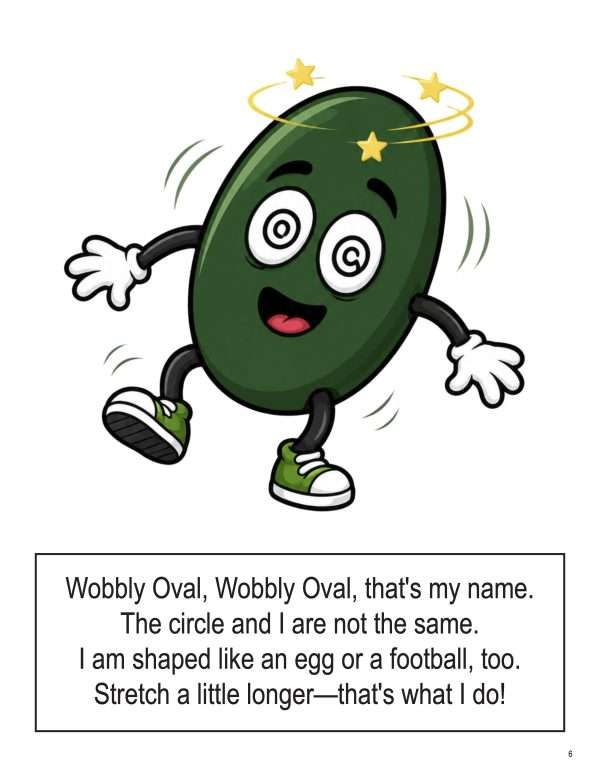
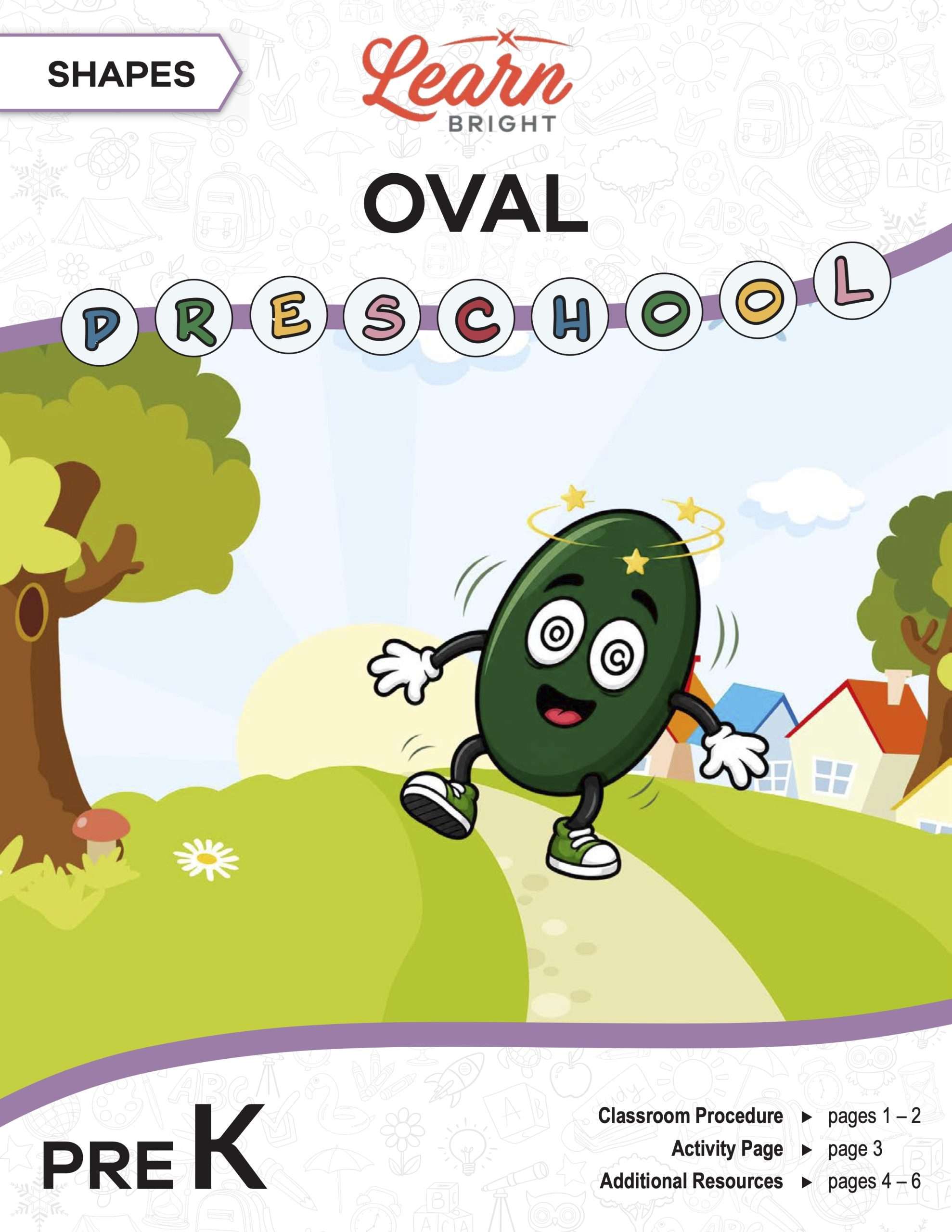
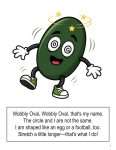
Lesson Objectives and Overview: Shapes: Oval teaches young learners about a very common shape. By the end of the lesson, students will be able to recognize an oval and identify that it is round with no corners or sides. This lesson is for students in preschool.
OVAL CREATIONS ACTIVITY
For this lesson, students will create artworks involving oval shapes. Before the activity, cut a variety of ovals in different sizes and colors out of foam or construction paper. Let students choose one foam oval to decorate. Students will turn the oval into one creation. Help students brainstorm ideas of what their oval could be. Show the pictures from Additional Resources to help generate ideas. Some ideas include a face, a balloon, a football, a flower, a decorated egg, a bug, or an animal. Pass out craft supplies. Help students create something of their choosing using their oval. Use markers or other craft supplies to add additional details to their creation.
Students can glue their oval on a piece of paper to add additional details. Allow students to share what they have created with the class or with a friend. As an optional book tie-in, read The Odd Egg by Emily Gravett or Egg by Kevin Henkes, and ask students to imagine their oval is an egg. Students can decorate their “egg” by adding polka dots, like the one in the book, or other designs. Once the egg is complete, ask students what kind of animal is inside their oval egg.
After learning all 8 shapes (square, rectangle, circle, triangle, oval, diamond, star, and heart), this unit will conclude with a culminating story activity. See Additional Resources from the
Shapes: Heart lesson plan for the story and shapes. You may also draw your own shapes for the activity.
Options and Extensions
There are several of additional options you could add to the lesson. Eat oval-shaped snacks such as eggs, grapes, olives, or cherry tomatoes. Use sidewalk chalk to draw large ovals outside or use tape to tape ovals on the floor. Jump to each one and walk the perimeter. For a sensory experience, have students draw ovals in sand or shaving cream. Provide students with playdough and pipe cleaners and challenge them to create ovals from the materials.
Grab a bag of shape buttons and have students sort each shape. Use buttons to make oval bracelets using pipe cleaners. Sing the “Hokey Pokey” song. Give each child a shape to hold as they sing. Replace the body parts in the song with shapes (e.g., “You put the oval in, you take the oval out…”). For show and tell, ask children to find objects at home that are ovals to bring to class. Share and discuss the items as a group.
As an extension to the lesson, read Shape Space by Cathryn Falwell and Color Zoo by Lois Ehlert.
ADDITIONAL RESOURCES
Our preschool lessons include additional resources that you can use throughout the lesson. They are provided to give you as much content as possible to complete the lesson without having to find sources on their own. For instance, if the lesson requires you to show students pictures, you can use the ones in the additional resources.
Preschool Philosophy
Our preschool curriculum is thoughtfully designed by professional teachers to nurture curiosity, build foundational skills, and prepare young learners for kindergarten and beyond. Each preschool lesson plan offers age-appropriate activities to promote early literacy, math readiness, creativity, and social-emotional growth.
At the preschool level, children are developing rapidly—socially, emotionally, physically, and academically. The goal of our lesson plans for preschool is to provide structured yet engaging learning experiences that spark imagination, encourage problem-solving, and foster a lifelong love of learning.
CURRICULUM FOCUS
Our curriculum focuses on key objectives such as:
- Building early literacy and language skills through stories, songs, and interactive activities.
- Developing number sense, shapes, colors, and patterns with hands-on lessons.
- Encouraging creativity and self-expression through art, play, and music.
- Supporting social-emotional development, cooperation, and confidence.
- Strengthening fine and gross motor skills through active learning.